

Have you ever gotten a headache after waking up from a nap? It felt like you had been hit by a truck, didn’t it? Want to know why and how to stop them? Check out LAVYON, because we may have what you are looking for.
What causes a headache after a nap?
Sleep posture is off
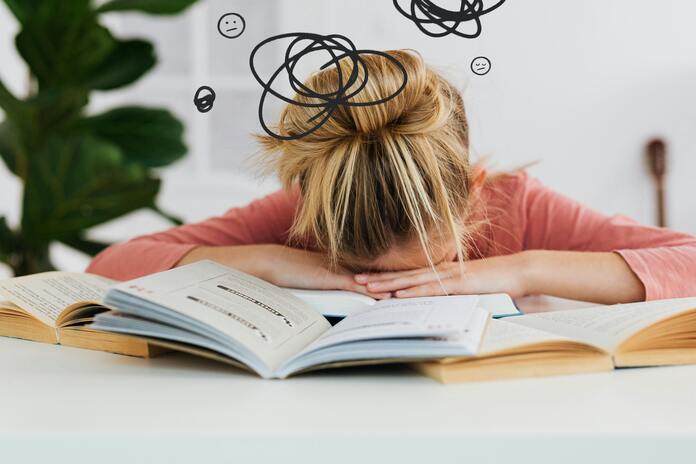
Falling asleep on the table, sleeping without a pillow or a pillow that is too hard or too high, lying on your stomach, etc., will cause a headache and fatigue after waking up. The reason is that sleeping in these postures doesn’t allow enough blood to circulate to the brain, leading to headaches, fatigue, numbness in the limbs, etc.
Napping for too long
According to scientists, a good nap should last about 30 minutes. If you take too long a nap and too short a sleep, you will wake up while your brain is in the middle of a transition from light sleep to deep sleep. This decreases circulation to the brain, suppresses nerves, and slows down metabolism. Finally, it causes fatigue, headaches, sluggishness, and dizziness.
Napping in the wrong place.
If you take a nap in a room that is too hot or too cold, with excessive light and noise, etc., it is also easy to experience headaches upon waking up. Tight spaces can also cause this, as you will receive less oxygen.

Using stimulants
Too many stimulants, such as solid tea, coffee, chocolate, carbonated soft drinks, etc., can make it difficult for you to fall asleep. Restless sleep will make you prone to headaches and dizziness after taking a nap.
Exposure to electronic devices before nap
If you regularly use electronic devices such as computers, laptops, or iPads before going to bed, you will also experience headaches and fatigue after waking up.
How to stop this type of headache?
Treatment for a post-nap headache depends on the specific cause of the headache. Only by understanding the underlying cause can you treat it appropriately and successfully. However, in case you don’t have a clue what is causing the post-nap headaches, there are a few things you can try, such as:
- Limiting daytime naps to around 15-30 minutes.
- Reducing stimulant consumption.
- Finding a good spot to sleep
- Practicing relaxation techniques before bedtime
- Hydrating before and after the nap.
- Sleeping in the correct posture with a suitable pillow, if you can.
If simple remedies don’t work, or you suspect a condition like sleep apnea or bruxism is present, consult your doctor. They’ll be able to examine you and determine whether there’s a need to refer you to a sleep specialist.