
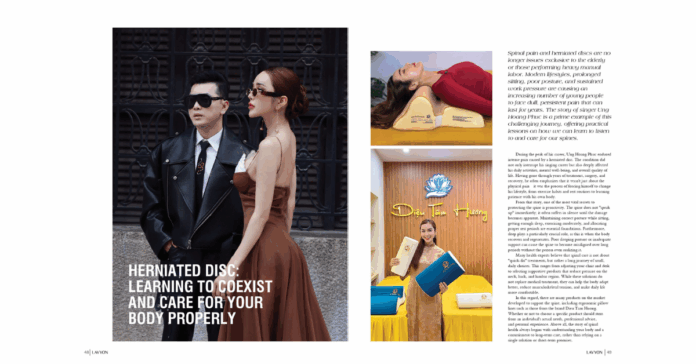


Spinal pain and herniated discs are no longer issues exclusive to the elderly or those performing heavy manual labor. Modern lifestyles, prolonged sitting, poor posture, and sustained work pressure are causing an increasing number of young people to face dull, persistent pain that can last for years. The story of singer Ung Hoang Phuc is a prime example of this challenging journey, offering practical lessons on how we can learn to listen to and care for our spines.

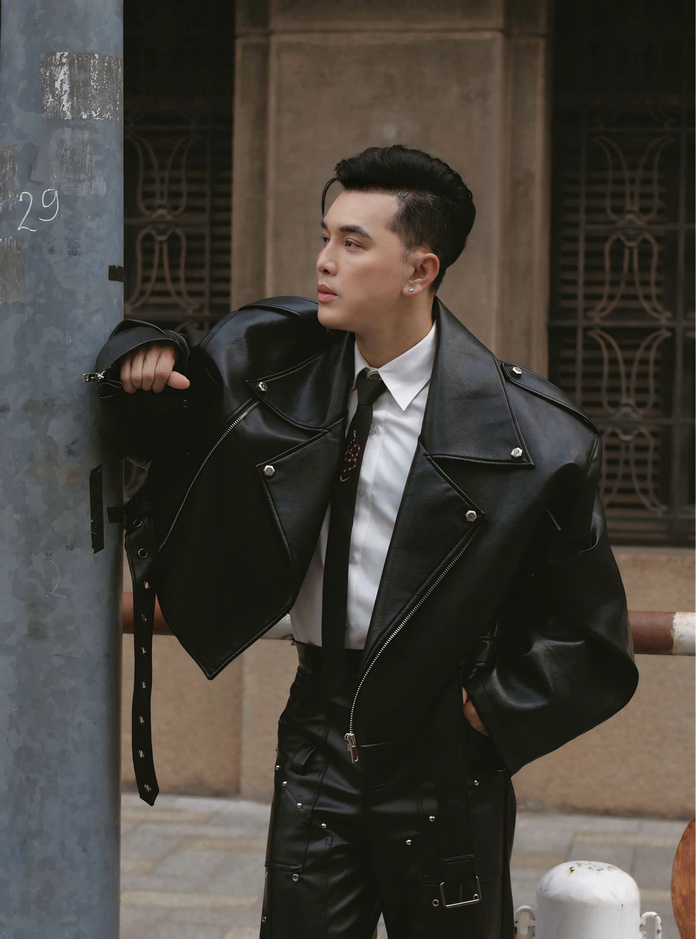
During the peak of his career, Ung Hoang Phuc endured intense pain caused by a herniated disc. The condition not only interrupted his singing career but also deeply affected his daily activities, mental well-being, and overall quality of life. Having gone through years of treatment, surgery, and recovery, he often emphasizes that it wasn’t just about the physical pain—it was the process of forcing himself to change his lifestyle, from exercise habits and rest routines to learning patience with his own body.
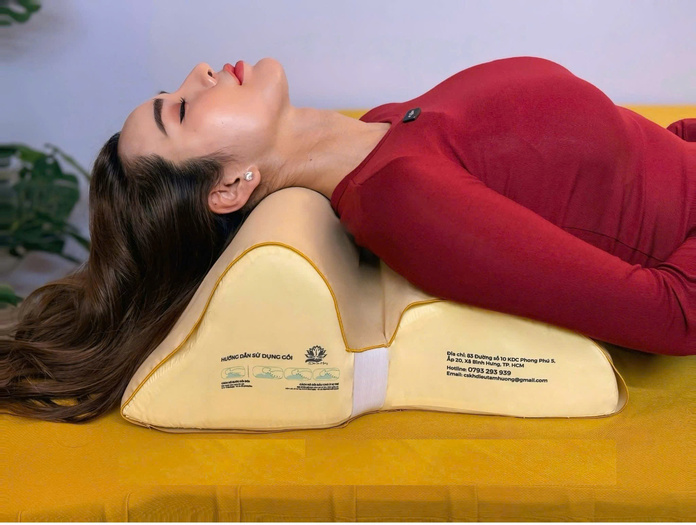
From that story, one of the most vital secrets to protecting the spine is proactivity. The spine does not “speak up” immediately; it often suffers in silence until the damage becomes apparent. Maintaining correct posture while sitting, getting enough sleep, exercising moderately, and allocating proper rest periods are essential foundations. Furthermore, sleep plays a particularly crucial role, as this is when the body recovers and regenerates. Poor sleeping posture or inadequate support can cause the spine to become misaligned over long periods without the person even realizing it.
Many health experts believe that spinal care is not about “quick-fix” treatments, but rather a long journey of small, daily choices. This ranges from adjusting your chair and desk to selecting supportive products that reduce pressure on the neck, back, and lumbar region. While these solutions do not replace medical treatment, they can help the body adapt better, reduce musculoskeletal tension, and make daily life more comfortable.
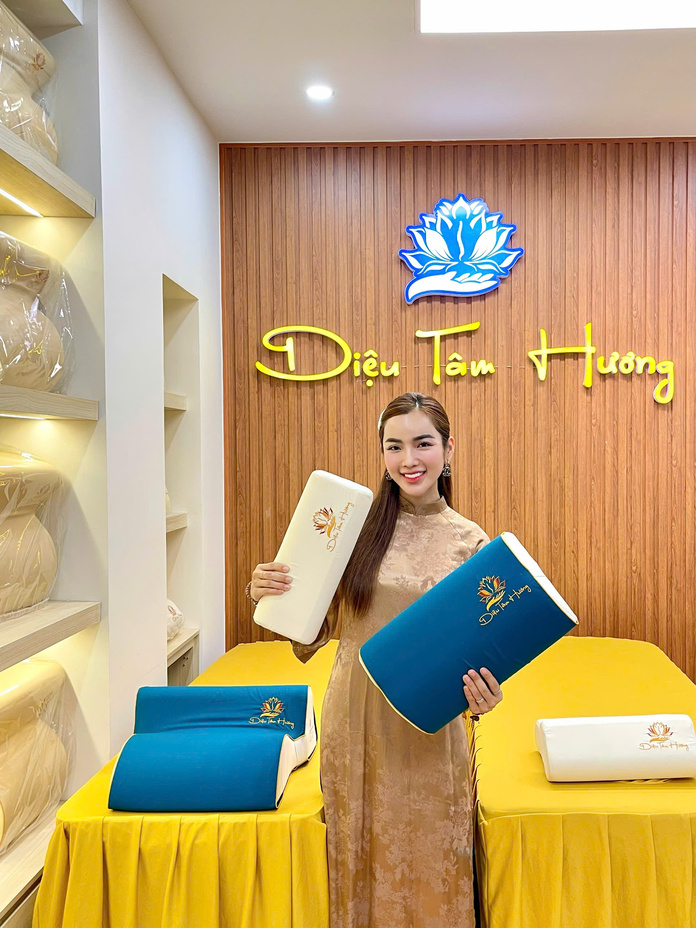
In this regard, there are many products on the market developed to support the spine, including ergonomic pillow lines such as those from the brand Dieu Tam Huong. Whether or not to choose a specific product should stem from an individual’s actual needs, professional advice, and personal experience. Above all, the story of spinal health always begins with understanding your body and a commitment to long-term care, rather than relying on a single solution or short-term promises.