

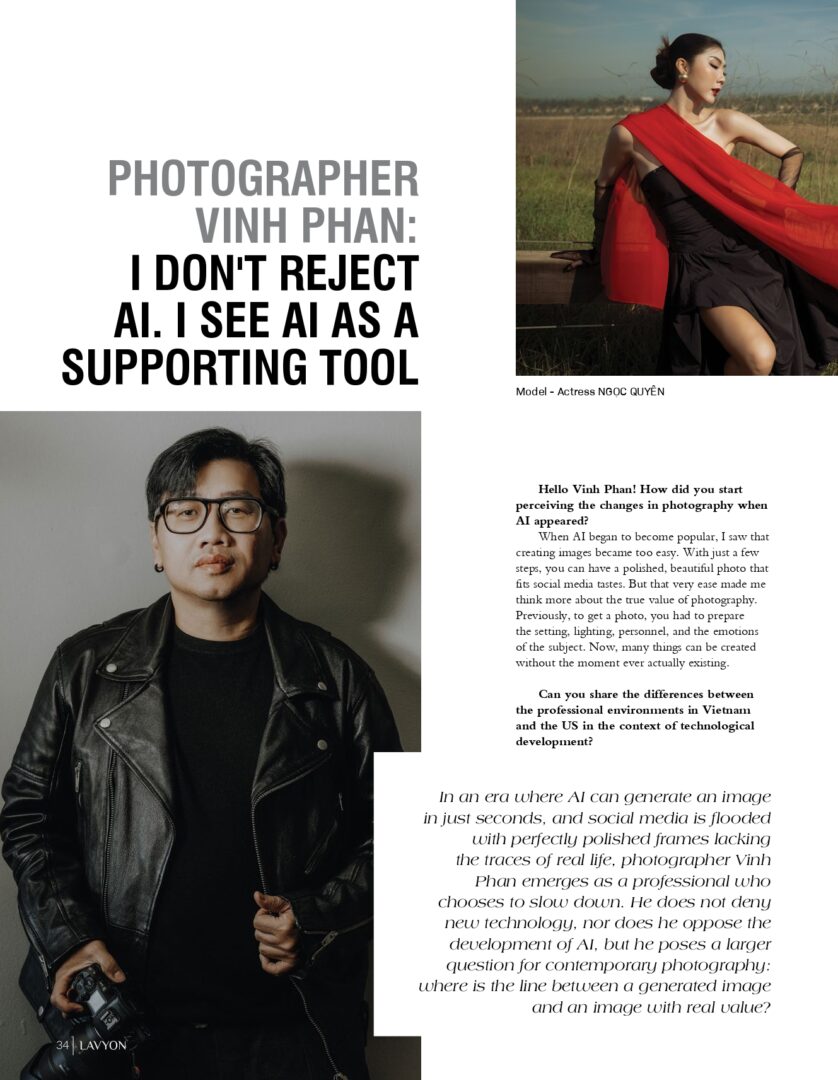
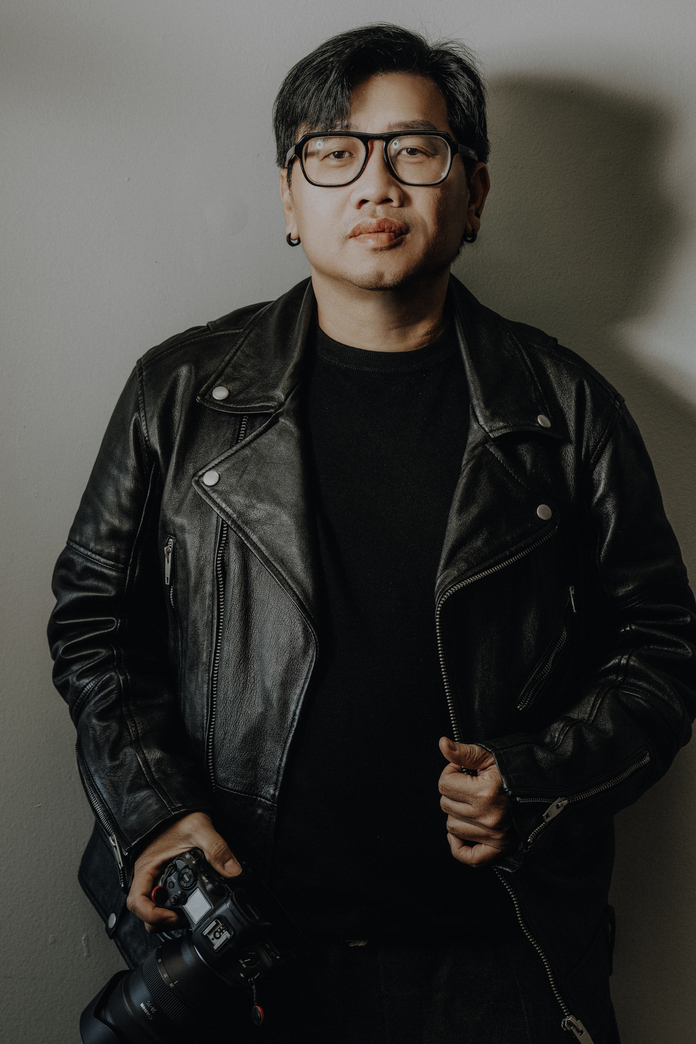
In an era where AI can generate an image in just seconds, and social media is flooded with perfectly polished frames lacking the traces of real life, photographer Vinh Phan emerges as a professional who chooses to slow down. He does not deny new technology, nor does he oppose the development of AI, but he poses a larger question for contemporary photography: where is the line between a generated image and an image with real value?
- Hello Vinh Phan! How did you start perceiving the changes in photography when AI appeared?
When AI began to become popular, I saw that creating images became too easy. With just a few steps, you can have a polished, beautiful photo that fits social media tastes. But that very ease made me think more about the true value of photography. Previously, to get a photo, you had to prepare the setting, lighting, personnel, and emotions of the subject. Now, many things can be created without the moment ever actually existing.
- Can you share the differences between the professional environments in Vietnam and the US in the context of technological development?
In Vietnam, a shoot often has many supporting people, nearly 10 people including stylists, makeup artists, setup crew, and lighting technicians. Moving to the US, labor costs are very high; it’s normal for a shoot to involve only two people. To compete, you have to cut down on staff and optimize the process. But regardless of location, the image quality must remain equally beautiful. Technology, including AI, helps make studio investment and setup less difficult than before, but it cannot replace the mindset and emotions of a professional.
- In the age of AI, how do you define the authentic value of a photograph?
To me, photography is about capturing real moments. It’s about who you sat with, where you went, and what you experienced. There are moments from 5 or 10 years ago that, when you want to remember them, you realize you don’t have a single photo to look at. That’s when you see how valuable an image is. A wedding photo, a party, a meeting—these are real events in life. 10, 50 years later, that photo still holds value because it is a footprint of life.
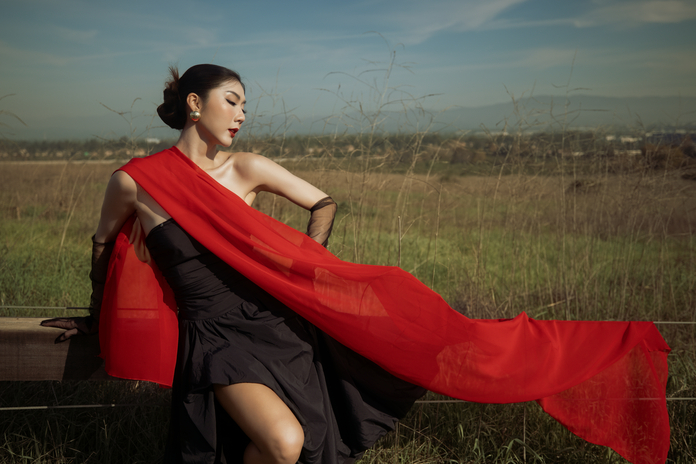
- Many people believe AI is devaluing professional photography; what do you think?
I think that’s a reality professionals must accept. Society today lives fast and lives “virtually” more than it lives for real. Every day we see images posted online, polished and beautiful, but mainly to cope with social media. The majority may not distinguish whether it is an AI image, but the few with expertise will recognize it. The difficulty is that there are more people living “virtually,” while professionals have to explain the real value of an image.
- Do you accept customers using AI images instead of real photography?
I don’t think they are wrong. Some people cannot afford to spend a few thousand on a photo set, or tens of thousands for a flight to France just for a photoshoot. It’s like choosing to use a fake bag or a real bag; it’s a personal choice. The question is whether or not you accept that within your own life values. For me, real images still have their own place.
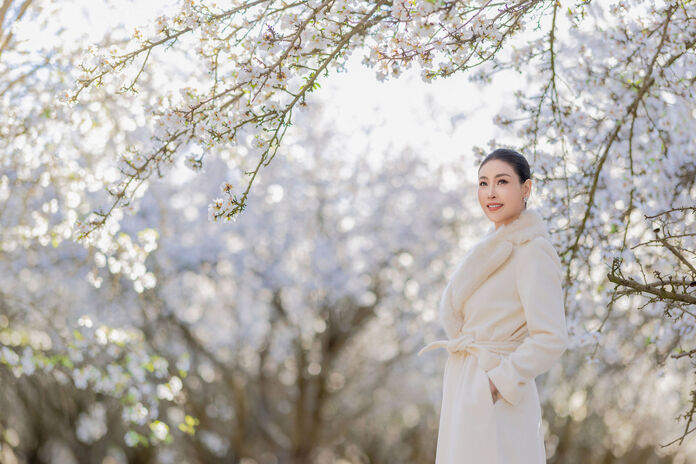
- So, what role does AI play in your current work?
I don’t reject AI. I see AI as a supporting tool, like a light or a lens. I can use AI to change a background or support the post-production of an original photo I took. But I don’t use AI to create a completely fake image. The boundary is that the main photo must still originate from a real moment, from a real person, from real light and emotion.
- What keeps you persistent in this profession while many others have given up?
I see many people having to work two or three jobs at once to have a stable income. Some give up their passion to find other work. I choose to focus 100% on photography because my environment and my clients allow for that. If someone is passionate about art and can still make a living from it, that is a very good and very rare thing.
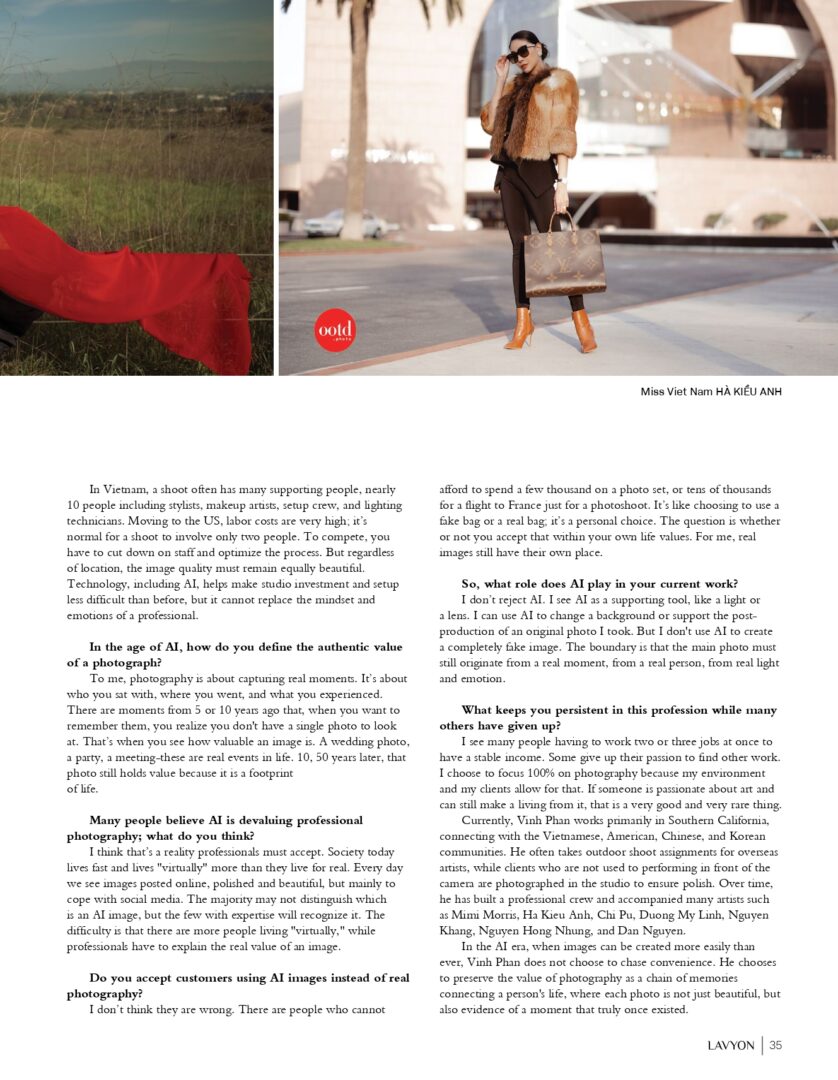
Currently, Vinh Phan works primarily in Southern California, connecting with the Vietnamese, American, Chinese, and Korean communities. He often takes outdoor shoot assignments for overseas artists, while clients who are not used to performing in front of the camera are photographed in the studio to ensure polish. Over time, he has built a professional crew and accompanied many artists such as Mimi Morris, Ha Kieu Anh, Chi Pu, Duong My Linh, Nguyen Khang, Nguyen Hong Nhung, and Dan Nguyen.
In the AI era, when images can be created more easily than ever, Vinh Phan does not choose to chase convenience. He chooses to preserve the value of photography as a chain of memories connecting a person’s life, where each photo is not just beautiful, but also evidence of a moment that truly once existed.